
 Unveiling the HPBC Battery Generation Two: A Dual Leap in Efficiency and Conversion Rates for Optimal Photovoltaic Installations
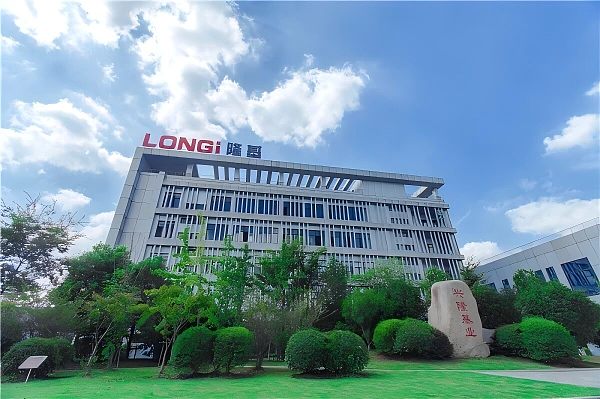
Recently, LONGi Green Energy released the industry's highest efficiency Hi-MO 9 module in Madrid, Spain, which is based on the high-efficiency HPBC 2.0 cell technology, the Hi-MO 9 module has a maximum power of 660W, with a conversion efficiency of up to 24.43%, and is planned to be introduced to the market in the second half of 2024.The launch of the Hi-MO 9 module triggered widespread attention in the industry, not only making significant breakthroughs in terms of double-face rate and Hi-MO 9 modules have not only made significant breakthroughs in terms of double-sidedness and conversion efficiency, but have also surpassed the current TOPCon products in terms of price/performance ratio.
(1) High Bifacial Ratio Combined with High Efficiency, Crystalline Silicon Battery Technology
In the field of photovoltaics, the double-sided rate, conversion efficiency and power of a cell are all key indicators of its power generation efficiency. Hi-MO 9 module efficiency has reached 24.43%, which is significantly higher than the efficiency value of TOPCon technology of about 23%, and the efficiency of the HPBC II cell behind the Hi-MO 9 module is even more than 26.5%, which reaches the theoretical efficiency of crystalline silicon solar cells (29%) of more than 91%. of more than 91 percent.
“TOPCon has enhanced power generation capability on the back side compared to HPBC II, making its total power about 5 watts higher than the front side. However, our Hi-MO 9 technology is more advanced than TOPCon, with 30 watts more total power. When we consider the power of the front and back sides together, Hi-MO 9, as a standard module, has a combined power that is 25 watts higher compared to the TOPCon products on the market. As a result, the Hi-MO 9's combined power performance is the highest in the market today.” Zhong Baoshen, Chairman of LONGi Green Energy, said, “We are confident that we can further increase our efficiency to 96% or even 97% in the future. We also believe that within the framework of crystalline silicon technology, it has become very difficult for the industry to realize significant performance improvements based on existing HPBC II products.”
Currently, the mass-produced bifacial rate of TOPCon technology is stabilized at around 80%, while HPBC II modules, with their extremely high frontal efficiency combined with a 70% bifacial rate, have a comprehensive power performance that significantly exceeds that of the TOPCon technology route. According to industry insiders, the launch of LONGi Green Energy Hi-MO 9 module not only highlights LONGi's leading position in the field of solar cell technology, but also foretells the direction of future solar cell technology development, and at the same time brings lower cost investment and higher return on investment for users.
(2) With the support of TaiRay Silicon, the cost reduction of BC cells is accelerated
In 2023, LONGi Green Energy realized silicon wafer shipments of 125.42GW, a year-on-year growth of 47.45%, and maintained the first place in global monocrystalline silicon wafer shipments for nine consecutive years. in the first quarter of 2024, the company realized silicon wafer shipments of 26.74GW, a year-on-year growth of 12.26%. In April this year, through continuous innovation and R&D, LONGi Green Energy successfully launched TaiRay Silicon wafers, which became the biggest innovation in this field in the past 10 years.
With the rapid development of PV technology, many different cell technology routes have emerged in the market, such as HJT, TOPCon and BC. Looking back at the past decade, the development of silicon wafer technology has mainly focused on changes in size, thinness, thickness and other exterior dimensions, which has been unable to keep pace with the diverse battery technology innovation.
It is reported that TaiRay Silicon wafer realizes the centralized control of resistivity, which makes the resistivity of the wafer more uniform and improves the conversion efficiency and yield rate of the cell. Secondly, the impurity absorption effect of TaiRay Silicon wafer is more excellent, which can effectively remove the metal impurities in the wafer and improve the purity and quality of the wafer. In addition, the mechanical properties of TeraSilicon wafers have also been significantly improved, with a 16% increase in bending strength compared to conventional products and stronger fracture resistance, which helps to reduce the fragmentation rate in the manufacturing process.
In the field of BC cells, the advantages of TaiRaySilicon wafers are fully realized. Through the use of TaiRaySilicon wafers, the conversion efficiency of BC cells has been improved by more than 0.1% on average, which reduces the cost of kWh and improves the income of power plants. In addition, the outstanding performance of TaiRaySilicon wafers also helps to reduce module repair chances and improve production efficiency, which further reduces the cost of downstream power plants.
(3) The integration of HPBC technology has great potential.
It took about 10 years for PERC to replace aluminum backyard, and only 5 years for TOPCon to replace PERC. Nowadays, TOPCon capacity is seriously saturated, and the new technology route to replace TOPCon may only take 2-3 years, and this process reflects the acceleration of technology iteration, similar to Moore's Law in the field of information technology. From LONGi Green Energy's point of view, instead of fighting for a market full of competitors in the past, it is better to seize the first-mover advantage of the new technology route.
If we use a vivid analogy to explain the characteristics of different technology routes, Baoshen Zhong vividly compares TOPCon, HJT and other technologies to a delicious seafood, while HPBC technology is like a delicate Buddha jumping over the wall. The Buddha jumps over the wall not only contains the freshness of seafood, but also combines a variety of ingredients and cooking techniques, presenting a richer flavor and nutritional value. Zhong Baoshen said that HPBC technology is precisely a collection of multiple technological advantages to improve the performance and efficiency of PV modules through the design of composite passivated back contact.
Entering 2024, news of TOPCon investment termination is common, and industry chain prices continue to be under pressure.BC and other future-oriented battery technologies are accelerating capacity transformation and gradually becoming mainstream in the market. In the next three years, LONGi Green Energy expects that the annual capacity of monocrystalline silicon wafers will reach 200GW, of which the capacity of “Tailor” wafers will account for more than 80%; the annual capacity of BC batteries will reach 100GW; the annual capacity of monocrystalline modules will reach 150GW.
 How to choose the battery capacity of JA Solar Panels?
JA Solar Panel is a commonly used solar power generation equipment, which provides people with a clean and renewable energy solution by converting solar energy into electrical energy. Battery capacity is an important consideration when choosing JA Solar Panel. This article will discuss the selection of battery capacity for JA Solar Panel.
First, we need to understand what battery capacity is.
Battery capacity refers to the amount of electrical energy that a battery can store, usually in ampere-hours (Ah). The larger the battery capacity, the more electrical energy the battery can store, thus providing a longer power supply. Therefore, when choosing JA Solar Panel, we need to determine the required battery capacity based on actual needs.
Secondly, the factor we need to consider is energy demand.
Different application scenarios have different energy requirements. For example, a solar power generation system for home use usually needs to supply the basic power needs of the family, such as lighting, TV, refrigerator, etc., while a solar power generation system for commercial use may need to supply larger loads, such as air conditioners, computers, machinery, and equipment, etc. Therefore, when choosing the battery capacity of the JA Solar Panel, we need to determine it based on actual energy needs.
In addition, we also need to consider the availability of solar energy resources.
The availability of solar energy resources depends on factors such as geographical location, season, and weather. In areas with abundant solar resources, smaller capacity batteries can be selected because solar panels can make more full use of solar energy. In areas with limited solar resources, we may need to choose larger-capacity batteries to provide a stable power supply when solar energy is insufficient.
System loss is a factor that cannot be ignored.
In the process of solar panels converting solar energy into electrical energy, system components such as inverters will have a certain amount of energy loss. Although JA Solar's inverter efficiency is leading the industry, it still has about 5% to 10% energy loss. Therefore, when selecting the capacity of the battery panel, the system loss should be taken into consideration, and the configuration of the battery panel should be appropriately increased to ensure that the actual available power meets the demand.
In addition, we also need to consider the life and maintenance costs of the battery.
The life of a battery is usually related to its capacity. The larger the capacity, the longer the battery life may be. However, larger capacity batteries usually also bring higher maintenance costs. Therefore, when choosing the battery capacity of JA Solar panels, we need to comprehensively consider the battery life and maintenance cost to find an optimal balance.
Finally, we also need to consider the budget factor.
Larger capacity batteries usually bring higher costs. Therefore, when choosing the battery capacity of JA Solar panels, we need to determine the required capacity based on the budget. At the same time, we can also consider other factors such as government subsidies, tax incentives, etc. to reduce costs.
In summary, there are multiple factors to consider when choosing the battery capacity of JA Solar Panels. We need to determine the required capacity based on actual needs, energy requirements, availability of solar resources, battery life and maintenance costs, and budget. By comprehensively considering these factors, we can choose a battery capacity of JA Solar Panels that best suits our needs, thereby achieving a clean and sustainable energy supply.
As a JA Solar Panel manufacturer, we are committed to providing high-quality, high-efficiency solar energy solutions. Our products are subject to strict quality control, have excellent durability and reliability, and can operate stably under various environmental conditions. We continue to innovate and improve to provide more efficient and sustainable solar energy solutions.
 Solar Panel Lifecycle Waste Problem Turns Eco-Challenge
Ever been curious about what happens to solar panels when they reach the end of their useful life? Just like every other electronic device, solar panels degrade over time. This degradation is akin to the aging process in humans - inevitable and natural. As the sun's energy is converted into electricity, the components of the panels undergo physical decay, leading to a decline in their performance. This is a natural part of the lifecycle of a solar panel, but it also creates a significant challenge. It's like when you have an old car that no longer runs efficiently. What do you do with it? Similarly, what do we do with solar panels when they become less effective?
Solar Panel Recycling: Keeping the Green in Green Energy
So, you're all about that solar life, soaking up the sun's rays and powering your home with clean energy. Awesome! But ever wondered what happens to those trusty solar panels once they've reached retirement age? Just like that old pair of sneakers, they don't last forever.
Most solar panels manufacturer produce this with a lifespan of about 25-30 years, kind of like a warranty for good behavior. But after that, they start to experience what's called "degradation." It's like wrinkles and gray hair for solar panels – the materials wear down, they become less efficient at converting sunlight into electricity, and eventually, they need to be replaced.
The Not-So-Sunny Side of Solar Panels: The Waste Challenge
Now, here's where things get a bit tricky. We can't just toss old solar panels into the regular trash bin like banana peels or junk mail. They're made of materials like glass, metal, and silicon, which don't exactly decompose and become one with the earth. If we're not careful, we could end up with mountains of solar panel waste, which kind of defeats the purpose of going green, right?
Experts estimate that by 2050, we could be dealing with a whopping 60 million tons of solar panel waste globally! That's a lot of panels piling up. And this isn't just a problem for remote areas; as more and more cities embrace rooftop solar, urban areas will need to grapple with this waste challenge too.
From Trash to Treasure: The Magic of Solar Panel Recycling
But before you start feeling bummed out, let's talk about the exciting world of solar panel recycling! It's like giving these old panels a superhero makeover and transforming them into something new and useful.
There are several ways to recycle solar panels, each with its own superpowers:
1. Mechanical Recycling: This is like taking apart a Lego set. We dismantle the panels and separate the different materials, like glass, metal frames, and silicon wafers. These materials can then be used to make new products, like construction materials or even new solar panels!
2. Thermal Recycling: This method uses heat to melt down the panels and recover valuable materials. It's like turning those old panels into a solar smoothie! The recovered materials can be used to create new solar cells or other products.
3. Chemical Recycling: This process uses chemicals to break down the panels and extract valuable elements like silver and silicon. It's like a science experiment with a cool outcome – recovering precious materials that can be reused in various industries.
Innovation: Supercharging Solar Panel Recycling
The coolest part is that researchers and companies are constantly innovating and coming up with even better ways to recycle solar panels. It's like witnessing the evolution of smartphones – things are getting more efficient and sophisticated all the time!
Some companies are even designing solar panels with recycling in mind, making them easier to disassemble and recover materials. It's like building with Lego blocks – everything snaps together and comes apart easily.
Policy Power: Setting the Rules for a Sustainable Future
Of course, technology alone can't solve everything. We also need governments to step up and create clear rules and regulations for solar panel recycling. It's like having a referee on the field to ensure everyone plays fair and follows the rules.
Clear policies can encourage responsible recycling, prevent illegal dumping, and support the growth of the solar panel recycling industry.
Looking Ahead: A Bright Future for Solar and Recycling
As we move towards a more sustainable future, solar panel recycling will play a crucial role in ensuring that our clean energy efforts truly live up to their name. By investing in innovative recycling technologies, supporting responsible policies, and raising awareness about the importance of recycling, we can ensure that old solar panels don't become tomorrow's waste problem, but rather a valuable resource for a greener tomorrow.
In conclusion, the lifecycle of a solar panel doesn't end when its efficiency starts to decline. The challenge of managing solar panel waste is a significant one, but it also presents an opportunity for innovation and improvement. By supporting sustainable practices in solar panel lifecycle management, we can help transform this waste problem into an eco-challenge, thereby fostering a more sustainable future for the solar industry. So, the next time you look at a solar panel , remember that it's not just a piece of technology—it's a symbol of our potential to create a sustainable future.
 Solar's Sustainability Issue Use Gravity Batteries To Cope
Have you ever thought about what happens to the surplus energy produced by our sun-loving solar panels? It's a question that's becoming increasingly significant as more households and businesses make the switch to solar energy. The challenge of managing this surplus energy is a growing issue that we cannot ignore. But don't despair, innovative solutions are on the horizon, and gravity battery systems are emerging as a promising solution.
The Challenge of Solar Energy
When it comes to renewable energy, solar power is often seen as a beacon of hope. However, there's an inherent challenge that comes with the territory—the sun doesn't shine all day, every day. This inconsistency leads to periods where we generate more solar energy than we can use, by times when the energy source is not available, but the demand remains. The big question is, how do we store this excess energy to ensure a steady power supply?
Gravity Battery Systems: How They Work
Amidst the search for a solution, gravity battery systems emerge as a beacon of innovation. These systems are a testament to the beauty of physics and engineering, providing a simple yet ingenious approach to energy storage.
The basic premise is straightforward:
1. Energy Storage: During peak sunlight hours, surplus solar energy is used to power motors that lift a significant weight to a higher point.
2. Energy Release: When the sun sets and darkness prevails, or when energy demand spikes, the weight is carefully lowered. The descent drives generators that convert the potential energy back into electricity.
It's a modern spin on the classic pendulum, where energy is conserved and harnessed, ready to be unleashed when needed.
Energy Vault: Pioneers of the Gravity Storage Revolution
Enter Energy Vault, a pioneering startup that's leading the charge in gravity battery technology. They've captured the imaginations of both industry experts and investors alike. But it's not a one-company show—there's a whole cadre of innovative startups vying for a spot in this exciting new field.
Why all the fuss? Because gravity battery systems offer compelling advantages:
1. Renewable Integration: They provide a seamless way to store energy from intermittent renewable sources like solar and wind.
2. Scalability: These systems can be scaled up or down, making them suitable for a wide range of applications.
3. Longevity: Unlike chemical batteries, gravity battery systems don't degrade over time.
4. Sustainability: They use widely available materials and have minimal environmental impact.
The Environmental Impact: Beyond Energy Storage
The implications of gravity battery systems extend far beyond mere energy storage. They represent a pivotal step towards sustainable energy management and waste reduction.
1. Reduced Energy Waste: Excess solar energy is no longer wasted but stored for future needs.
2. Lower Carbon Footprint: Efficient use of renewable energy sources leads to a reduction in carbon emissions.
3. Economic Viability: Long-term cost savings by maximizing the use of generated solar power.
Real-World Success: Case Studies in Gravity Storage
Seeing is believing, and there are several case studies that showcase the effectiveness of gravity battery systems. From small communities to large utilities, these systems are proving to be a viable solution for energy storage and waste management.
1. Community Projects: Localized gravity storage solutions are helping communities become energy independent.
2. Utility-Scale Deployments: Large-scale implementations are demonstrating how gravity batteries can support the grid during peak demand times.
Looking to the Future: The Potential of Gravity Batteries
The potential for gravity battery systems in the realm of solar energy is immense. With increased interest and investment, the technology is poised for rapid advancement.
What's on the horizon?
1. Innovation: Ongoing R&D is likely to bring about even more efficient and cost-effective designs.
2. Adoption: As the benefits become more widely known, we can expect broader adoption across various sectors.
3. Integration: Gravity battery systems could become a key component in the global shift towards a sustainable energy future.
The Dawn of a New Era
The surge in solar energy's popularity brings with it the intricate challenge of managing surplus energy. Gravity battery systems present a promising solution, with trailblazers like Energy Vault leading the charge. By storing surplus energy for later use, these systems can curb waste and champion a more sustainable future. The journey has only just begun, and there's much excitement brewing in the realm of solar energy sustainability.

Leave A Message
If you are interested in our products and want to know more details, please leave a message here, we will reply you as soon as we can.