
 Six Key Applications of Photovoltaic Panels in the Commercial and Industrial Sectors
The natural and green clean energy industry is constantly developing, and photovoltaic applications are gradually penetrating into every aspect of people's lives. From household photovoltaics to distributed commercial and industrial applications, from the installation of photovoltaic power stations on rooftops and vacant land to the emergence of various photovoltaic products, the application fields of photovoltaic power generation are becoming more and more extensive. So, how many application scenarios of photovoltaics in the commercial and industrial sectors do you know?
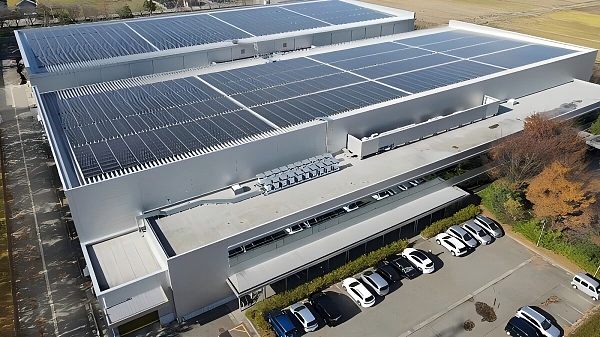
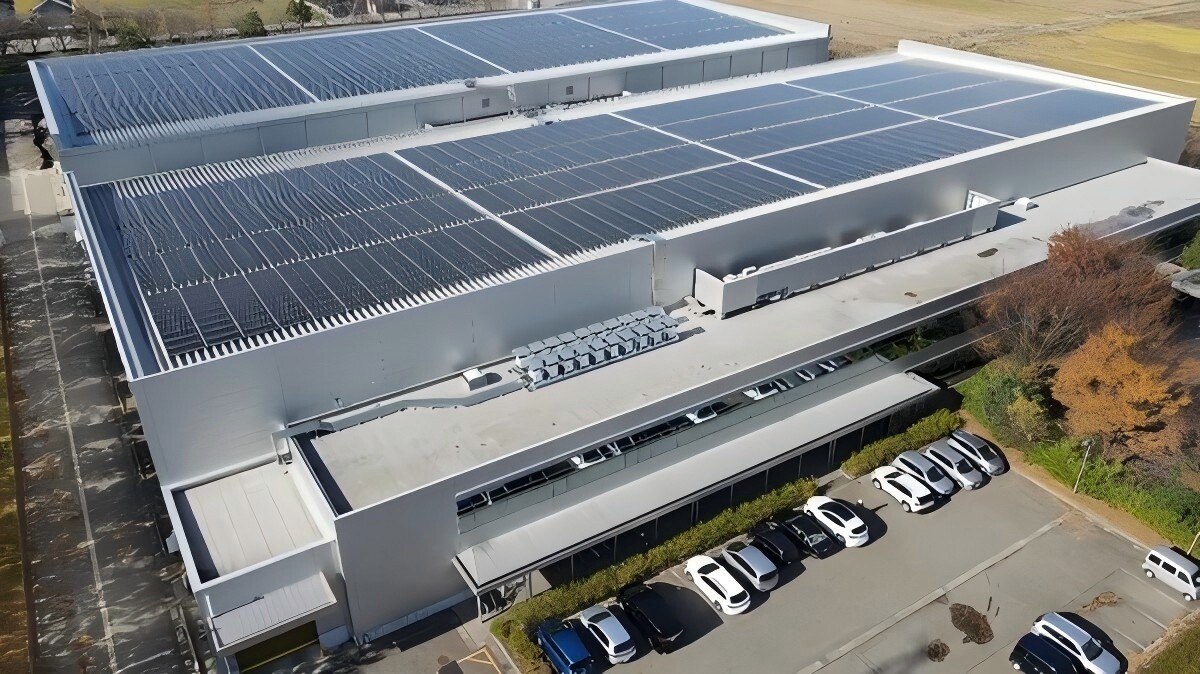
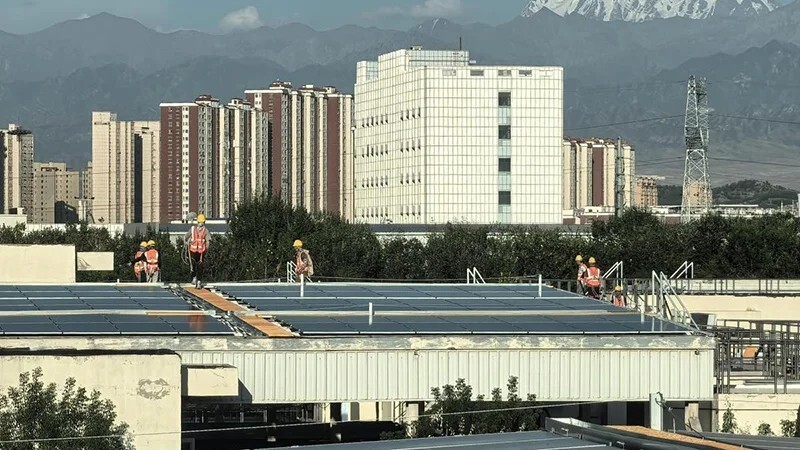
Photovoltaic + Commercial and Industrial Factory Rooftops
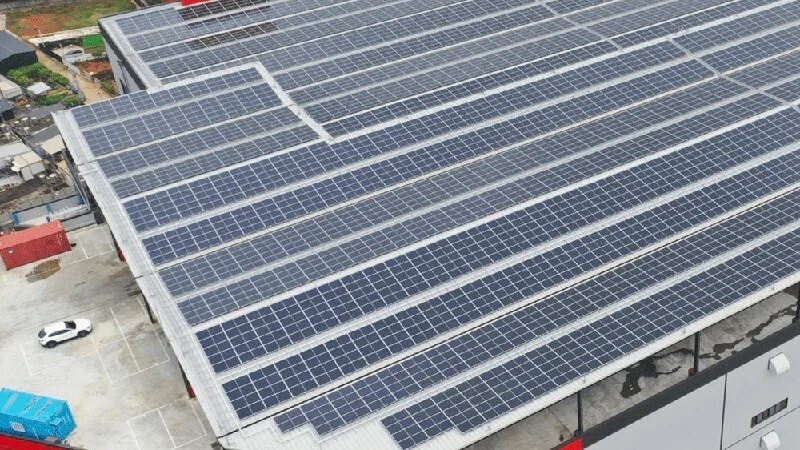
Large enterprises, supermarkets, and private firms have vast rooftop space. These power - hungry entities often have long - term property rights, ideal for over - 1 - MW rooftop solar plants. Such installations meet power demands, generate extra income from selling surplus power, and cut factory temperatures, promoting energy savings.
Case: A German auto - parts factory installed a 3 - MW rooftop PV system. Post - installation, 60% of its power was self - generated, with surplus sold for about 1 million euros annually. Summer factory temps dropped 2 - 4°C, reducing cooling use.
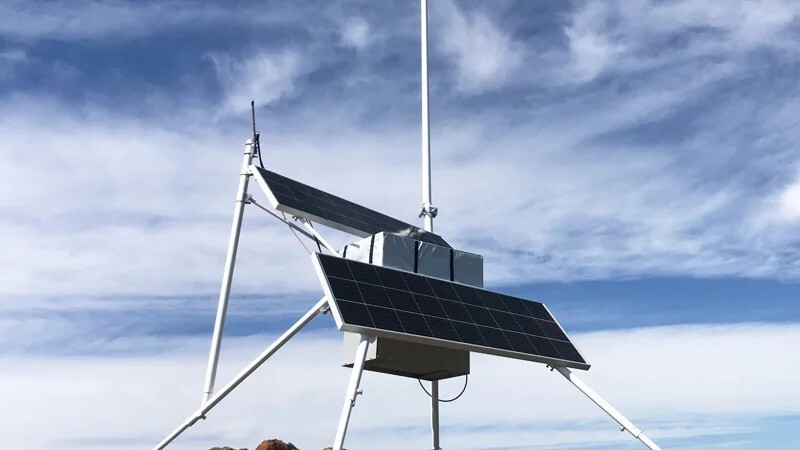
Photovoltaic + Communication Base Stations
With wide - spread communication base stations needing 24/7 power, diesel generators for backup are costly. PV - energy storage systems can power base stations. They use solar during good weather, mains in rain, and batteries during outages, extending battery life.
Case: A Kenyan rural base station with a 3 - kW PV system slashed its annual diesel costs by 70% and cut battery replacement from every 18 months to every 3 years.

Photovoltaic + Water Plants
As water use grows, so does the high - power consumption of sewage treatment plants. Installing PV on rooftops and treatment tanks is a space - efficient and cost - effective solution.
Case: An Australian water treatment plant's 2 - MW PV project saved 2 million kWh annually, worth $1.5 million, and lowered its carbon footprint.
Photovoltaic + Parking Lots
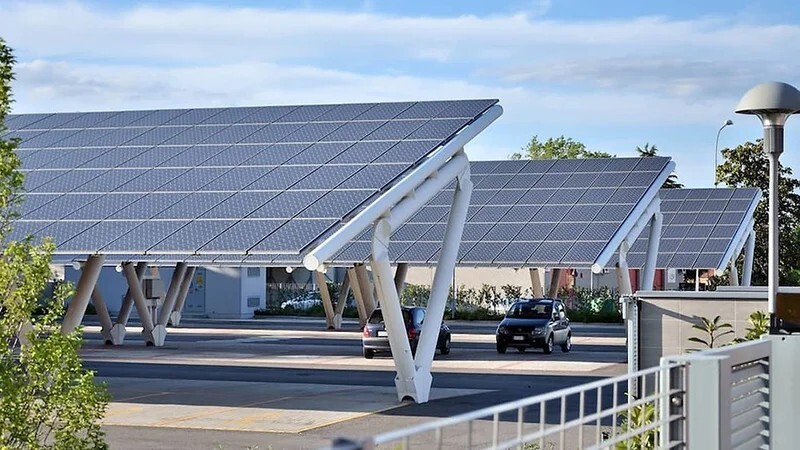
Photovoltaic carports, with charging piles, are a simple way to integrate PV into buildings. They boost urban space use, offer shade, and provide clean energy for EVs and e - bikes.
Case: An Italian mall built an 8,000 - sq - m PV carport with 150 charging piles, serving over 400 EVs daily and powering part of the mall.
Photovoltaic + Gas Stations
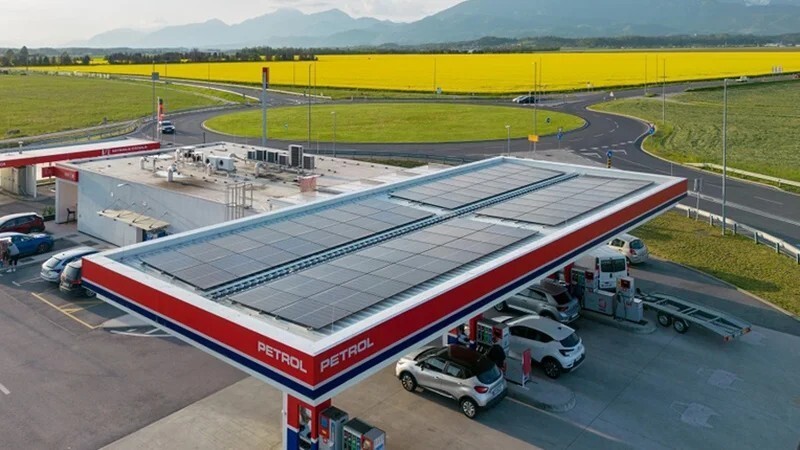
Oil companies are venturing into PV - integrated gas stations. These use solar for operations and EV charging, attracting green - minded customers and cutting emissions.
Case: Shell's Dutch PV - gas station powers lighting, pumps, and stores, and charges EVs, reducing carbon output.
Photovoltaic + Logistics Centers
Logistics centers combine industrial parks, new energy, and the Internet. PV - powered centers can run internal operations and sell excess power, promoting green logistics.
Case: DHL's German green logistics center uses a large - scale PV installation for internal needs and sells surplus power, demonstrating its commitment to sustainability.
All in all, photovoltaic solar power generation relies on renewable resources in the natural cycle, changing our lifestyle as well as our living environment. "Photovoltaic +" creates infinite possibilities. The "photovoltaic +" application model not only brings new changes to the photovoltaic industry, but also the application of photovoltaic solar power stations in these emerging fields is the best way for photovoltaic power generation to enter people's lives. Photovoltaic Products: Opening up a New Era of Green EnergyThe Global Significance of Photovoltaic Products
With the growing global demand for clean energy, pv products, as a clean and renewable energy solution, are gradually becoming an important part of national energy strategies. In many countries, the government has introduced policies to encourage the development of the photovoltaic industry to reduce dependence on traditional energy and lower carbon emissions. This has not only driven the innovation and application of photovoltaic technologies but also brought new growth points to the global economy.
Development Trends of Photovoltaic Products
1. Technological Innovation: Continuously improving the photovoltaic conversion efficiency is the core goal of current photovoltaic technology development. New materials and processes are emerging, significantly enhancing the performance of photovoltaic products. For example, the conversion efficiency of monocrystalline silicon photovoltaic panels has reached over 20%, meaning more electricity can be generated on the same area of photovoltaic panels.
2. Cost Reduction: Thanks to the scale effect and technological progress, the cost of photovoltaic products is gradually decreasing. This makes photovoltaic products more competitive in the market and enables them to provide consumers with more affordable energy solutions. Meanwhile, government subsidy policies have further promoted the popularization of photovoltaic products.
3. Diversified Applications: The application fields of photovoltaic products are constantly expanding. Besides traditional solar power generation, they are also widely used in building integration, transportation, agriculture, and other fields. For instance, Building Integrated Photovoltaics (BIPV) combines solar photovoltaic panels with building materials, achieving self-sufficiency in building energy; solar electric vehicles provide clean and efficient energy solutions for the transportation sector.
JA TECH's Photovoltaic Products
Our company specializes in all brands and all wattages of solar panels, offering a series of high-quality and high-performance photovoltaic products.
1. Photovoltaic Panels: We adopt advanced production processes and high-quality materials to ensure that our photovoltaic panels have high conversion efficiency and stability. Our products are suitable for various application scenarios, providing reliable energy solutions for both large commercial projects and residential houses.
2. Inverters: The inverter is a key component of the photovoltaic system. It converts the direct current generated by the photovoltaic panels into alternating current to ensure stable power output. Our inverters are characterized by high efficiency, safety, and intelligence, providing customers with high-quality power guarantee.
3. Solar Batteries: The solar battery is the core component of photovoltaic products. We use advanced technologies and processes to improve the performance and lifespan of the batteries. Our products have high energy density, fast charging, and other features, meeting the needs of different customers.
Advantages of Photovoltaic Products
1. Environmental Protection and Energy Conservation: Photovoltaic products generate electricity using solar energy without producing any pollutants, which is friendly to the environment. Meanwhile, photovoltaic products have high energy efficiency, enabling customers to save significant energy costs.
2. Strong Reliability: Our company's photovoltaic products have undergone strict quality inspections and tests to ensure good stability and reliability. The products can operate normally in various harsh environments, providing customers with long-term energy protection.
3. Significant Economic Benefits: Photovoltaic products have a high return on investment, bringing considerable economic benefits to customers. With the continuous development of photovoltaic technology and the reduction of costs, the market prospect of photovoltaic products is broad.
Future Outlook
With the continuous growth of global energy demand and the increasing awareness of environmental protection, the market prospect of photovoltaic products is extremely broad. Our company will continue to uphold the concept of innovation, quality, and service, continuously introduce more high-quality and efficient photovoltaic products, and provide customers with more comprehensive energy solutions. At the same time, we also hope to contribute to the global energy transformation and environmental protection through our efforts.
If you have any other questions or need further information about photovoltaic products, please feel free to contact us.
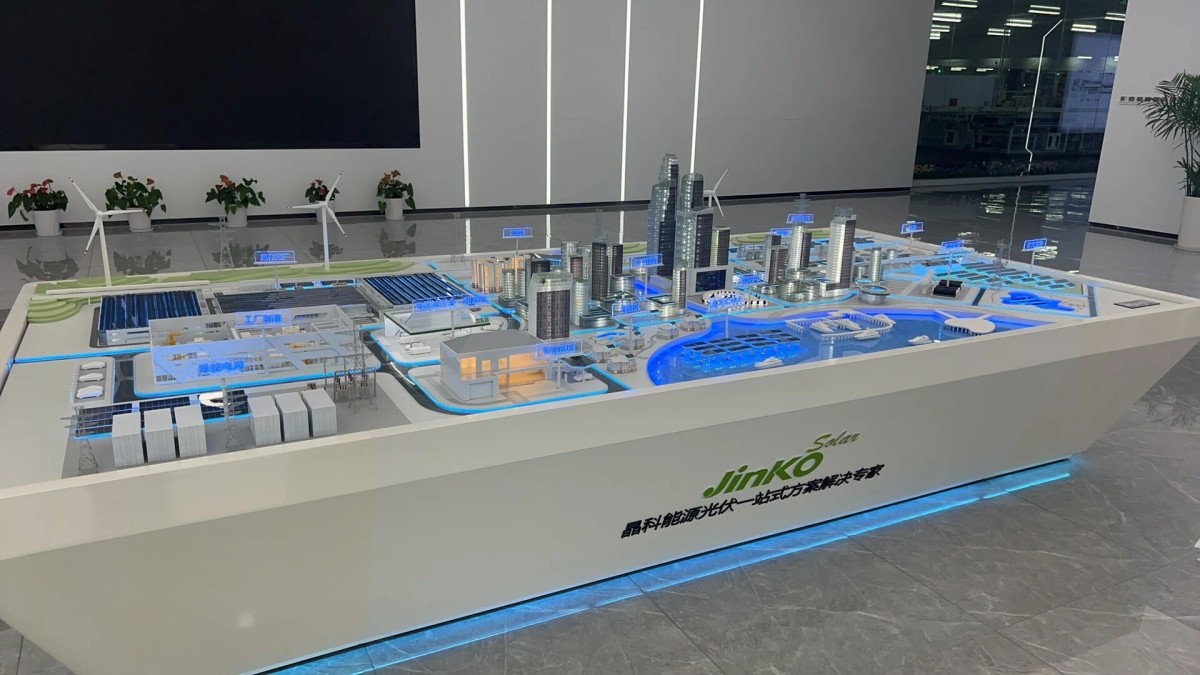
 Exploring the Jinko Factory: A Behind-the-Scenes Look at Solar TechnologyAt JA TECH, we are always committed to providing our clients with the best possible service and solutions. This commitment extends beyond just offering top-notch products; it also involves giving our clients a deeper understanding of the processes and technologies behind those products. That’s why we were thrilled to recently organize a factory visit to Jinko, one of the leading solar panel manufacturers in the world.
The Visit:
Our clients were eager to see how Jinko’s cutting-edge technology and innovative processes contribute to the production of high-quality solar panels. With this in mind, we arranged for a comprehensive tour of Jinko’s factory, which offered a glimpse into every stage of the manufacturing process.
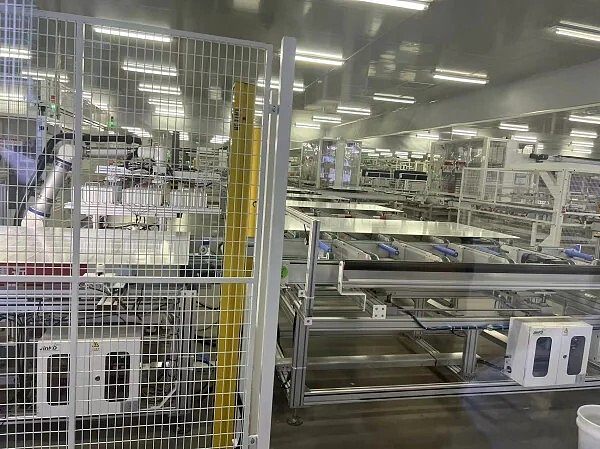
Through the glass of tour, we can see our workers wearing protective clothing and hats, working in an organized manner. All workers are skilled as they are trined before hired by the factory.
From raw material handling and cell production to module assembly and quality control, our clients were able to witness the dedication and precision that goes into creating each solar panel. The factory’s advanced machinery and automated processes were particularly impressive, demonstrating Jinko’s commitment to efficiency and quality.
The Highlights:
One of the most striking aspects of the visit was Jinko’s focus on sustainability. The factory itself is powered by solar energy, showcasing the company’s dedication to reducing its carbon footprint and promoting green energy.
Additionally, our clients were fascinated by Jinko’s research and development (R&D) efforts. The company’s team of engineers and scientists are constantly working on new technologies and improvements to existing processes, ensuring that Jinko remains at the forefront of the solar industry.
Client Feedback:
The visit was a huge success, and our clients were thrilled with the opportunity to see the manufacturing process in action. They appreciated the transparency and insight that the tour provided, and many of them expressed a deeper understanding and appreciation for the products they had been using.
One client even commented, “It was incredible to see how much thought and effort goes into making each solar panel. I have a much greater appreciation for the technology now, and I’m confident in recommending Jinko’s products to others.”
Conclusion:
At JA TECH, we believe that education and transparency are key to building strong relationships with our clients. By organizing this factory visit, we were able to provide our clients with a valuable learning experience and strengthen their trust in the products we offer.
We are grateful to Jinko for their hospitality and for allowing us to share this incredible opportunity with our clients. We look forward to continuing our partnership with Jinko and to organizing more events like this in the future.
Stay tuned for more updates from JA TECH, and don’t hesitate to reach out if you have any questions or would like to learn more about our products and services.
Thank you!
 Discover the Future of Solar Technology: LONGI Unveils the HPBC Second Generation HiMO X10
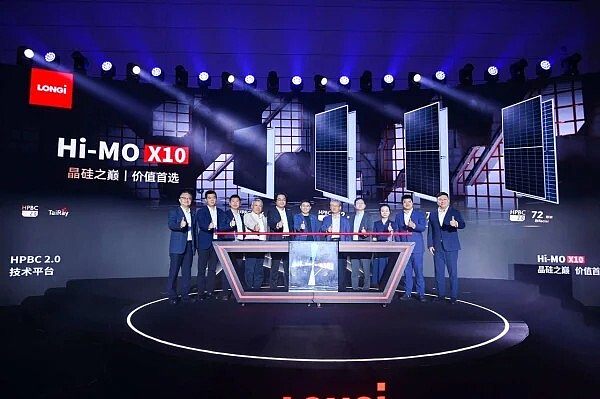
On October 11, LONGi grandly released HPBC2.0 technology platform and a new generation of distributed module product - Hi-MO X10 at the ATP Shanghai Rolex Masters, marking the release of the preferred high-value module product for the whole scenario of the global distributed market.
Hi-MO X10 module is a high-quality module based on the cross-generation HPBC2.0 battery technology, with leading power generation performance, reliability, customer benefits and aesthetics, with the highest mass-produced power of 670W, which is more than 30W higher than that of the industry's TOPCon mainstream module, and mass-produced module efficiency of 24.8%, which is another breakthrough of the world's highest record of mass-produced module efficiency. Adopting HPBC2.0 battery, the mass production efficiency of the battery is more than 26.6%, which is the last generation of crystalline silicon battery to realize the absolute efficiency of 1% across the battery technology, announcing that the BC era has really come.
Product Highlights
With the heavy release of Hi-MO X10, its four highlighted product highlights have also officially surfaced: HPBC2.0, TaiRay Core, 0BB technology and advanced module technology.
LONGi's HPBC2.0 battery technology can be regarded as a masterpiece of BC battery technology. 2022 November, LONGi successfully released the revolutionary HPBC1.0 battery technology, officially opening the BC era. Two years later, LONGi's HPBC2.0 battery technology inherits the excellent genes of the HPBC generation, crosses the three key technological gaps of battery substrate, passivation technology and process technology, and is the battery technology with the highest mass production efficiency in the world. It took LONGi only two years to realize a leap of 1.5% in absolute value and open a generation-level gap with mainstream market general-purpose batteries.
At the same time, HPBC2.0 breaks the battery technology barriers and self-developed bipolar composite passivation technology, which makes the open circuit voltage of mass-produced batteries break through 745 mV, significantly reduces the current loss, and improves the conversion efficiency of batteries.
The new product is equipped with TaiRay “core”, i.e. high-quality N-type TaiRay silicon wafers, realizing a substantial innovative breakthrough in the field of silicon wafers in the past decade, with three significant advantages: first, in the case of consistent rod length, the resistivity ratio of the output of crystalline rods at the head and tail of the rod has been reduced from 3 times to less than 1.5 times, with a more centralized resistivity and high consistency of the wafers, reducing the risk of mismatch; second, the resistance ratio of the output of crystalline rods is reduced from 3 times to less than 1.5 times. Secondly, metal impurities in TaiRay silicon wafers are more easily absorbed, reducing current loss and effectively enhancing power generation potential; thirdly, the mechanical properties are stronger, and the mechanical strength is increased by 16% compared with conventional products, making them tougher and more reliable.
LONGi's new module also further adopts the innovative 0BB structure, which further realizes “no main grid on the back” on the basis of “no grid on the front”. This “king bomb” combination not only maximizes the area of light absorption on the front side, but also significantly improves the efficiency of light absorption and reflection on the back side. Adopting 0BB structure, after removing the main grid, the thin grid is directly connected to the welding tape, shortening the current transmission distance and further increasing the module power by 5W+. At the same time, it also makes the aesthetics of the back side of the cell further optimized, and effectively improves the double-sided rate of the cell, which provides more potential space for double-sided cell and module products.
Product Advantages
More Secure
The unique bypass-like diode structure of Hi-MO X10 module enables the blocked current to bypass the blocked area and divert the current from other paths without affecting the power output of the whole string of cells when encountering shadow blockage, reducing the power loss of the module by more than 70% compared with TOPCon products. At the same time, it can greatly reduce the hot spot temperature under the shadow blockage, preventing localized overheating, reducing the temperature by 28%+ compared to conventional batteries, not fearing high temperatures, and guaranteeing the robust operation of the module and the safety of the rooftop.
UV irradiation, high temperature and humidity, and alternating cycles of heat and cold also pose challenges to the robust operation of the modules during the long “service” period. Hi-MO X10 modules, with low operating temperatures and high-density encapsulation, have “comprehensive anti-aging” performance, and their performance is excellent under the rigorous tests. Hi-MO X10 modules have excellent performance under severe testing. Compared with TOPCon modules, Hi-MO X10 has better UV resistance, humidity resistance and thermal cycling resistance, and is more resistant to heat, humidity and sunlight. Its power temperature coefficient is -0.26%/°C, optimized by 0.03%/°C compared with TOPCon; 1% attenuation in the first year, 0.35% linear attenuation, long-lasting and strong, and it can provide customers with up to 15 years of product warranty and 30 years of power warranty.
Hi-MO X10 modules also have system-level impact resistance and anti-cracking performance. First of all, thanks to the super mechanical properties of TaiRay silicon wafers, when silicon wafers tend to be more and more close to the background of thin film, LONGi still adhere to the bottom line of the industry, TaiRay silicon wafers are still thicker than the mainstream products in the market. Secondly, the full back of the “a” type welding structure, significantly reducing the hidden crack risk of components in the process of transportation, installation and “service”. Comprehensive logistics and transportation data show that the overall hidden crack risk is reduced by as much as 87.2%, and customers can rest assured that they are not afraid of multiple environmental stresses.
High Yield
Based on the current mainstream version (2382×1134mm), with the module cost of $0.8/Wp, Hi-MO X10 module can increase the total profit by 9.1% compared with the mainstream TOPCon module in terms of 25-year total profit. This means that for two PV power stations under the same conditions, the mainstream TOPCon modules need to be installed with 231 more modules to achieve the same level of total profit as Hi-MO X10 modules, i.e. about 24.2 million RMB. At the same time, the project investment must be increased by 263,400 RMB, and the cost per watt increased by 27.1 cents.
From the 25-year yield dimension, the IRR of Hi-MO X10 module is 6.2% higher than that of TOPCon. This means that for two PV power stations under the same conditions, the mainstream TOPCon has to be cheaper by 13.1 cents to achieve the same 25-year full investment yield as Hi-MO X10, i.e. 30.71%.
In terms of payback cycle, Hi-MO X10 can realize a faster payback cycle, which is 0.2 years shorter than that of TOPCon. This means that under the same conditions of the two PV power plants, the mainstream TOPCon to achieve and Hi-MO X10 the same payback cycle (3.25 years), mainstream TOPCon module than Hi-MO X10 monowatt price is cheaper than 13.1 cents in order to realize.
Looking at the 25-year electricity cost again, Hi-MO X10 is 5.1% lower than mainstream TOPCon. This means that under the same conditions of the two PV power stations, the mainstream TOPCon to achieve and Hi-MO X10 the same 25 annual cost of electricity (LCOE = 0.094 yuan / degree), the mainstream TOPCon module needs to be cheaper than the Hi-MO X10 single watt price of 15.1 cents to achieve.
Finally, there is the $10,000 net profit investment, and the $10,000 net profit investment of Hi-MO X10 is 6.1% lower than that of mainstream TOPCon modules. This means that for two PV plants under the same conditions, assuming the same 25-year period to obtain $10,000 net profit, mainstream TOPCon modules need to be 15 cents lower than Hi-MO X10's unit-watt price to realize it.
Extreme Beauty
Facing the increasingly diversified application scenarios in the distributed market, LONGi has always been customer-focused to meet the ever-changing market demand, enriching the product matrix from multiple dimensions such as efficiency, functionality, reliability, weather resistance, aesthetics, etc., so as to match the differentiated needs of more segmented areas, realize the high-quality simultaneous development of both the production end and the application end, and lead the technological innovation of photovoltaic modules.
Since the second half of 2023, LONGi has intensively launched a number of module products suitable for different application scenarios. These include the Hi-MO X6 single-glass anti-dust accumulation module released in October 2023 for large-scale industrial and commercial scenarios, the Hi-MO X6 double-glass hygrothermal-resistant module released in February 2024 for high-temperature and high-humidity scenarios around the globe, the Hi-MO X6 Max based on the mainstream version released in LONGi's Jiaxing lighthouse factory in May 2024, and the Hi-MO X6 villa model module released in the SNEC exhibition in June 2024, as well as the Hi-MO X6 Villa model module released at the LONGi PV PV Pavilion. Hi-MO X6 villa model components, etc. Meanwhile, in terms of artistry, LONGi also seeks to change the stereotypical impression of PV modules as “plastered and patched” in the past, and push the aesthetics of the modules to the extreme. Whether it is the all-black and ultimate black products launched for the global market or the villa model modules launched for the Chinese market, they have all gained popularity in the market after their launch, especially in the household market in Europe, Asia-Pacific, Japan and China.
Hi-MO X10 module continues the excellent gene of Hi-MO series products family, and continues the previous product hierarchical grading system to meet the personalized needs of customers based on different application scenarios.Hi-MO X10 module continues the design concept of “simplifying complexity into simplicity”, and further realizes the design of no main grille on the back on the basis of no grille on the front side. On the basis of the previous design with no grill line on the front, it further realizes the design with no main grill on the back, which creates a pure and advanced appearance of the module and defines the minimalist beauty of the BC module, which can match different architectural styles with harmony and elegance, and honors a green and low-carbon quality of life. Enhancing the color value of modules is not only LONGi's ultimate pursuit of aesthetics of PV products, but also an opportunity to open up new growth points in the distributed PV market, promote the application of PV power generation in more scenarios, and help realize the goal of “double carbon”.
 A Comprehensive Insight into the Production Process of Photovoltaic Modules
Hello, readers! In this blog post, I'm thrilled to delve into the intricate and fascinating world of photovoltaic (PV) module manufacturing. As renewable energy sources gain prominence globally, understanding the production process of PV modules becomes increasingly important. These modules, the building blocks of solar energy systems, undergo a meticulous series of steps to transform sunlight into electricity. Let's embark on this journey together!
Introduction to Photovoltaic Modules
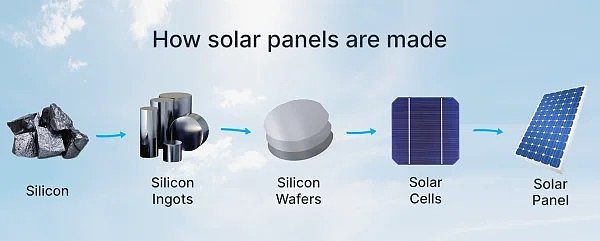
Photovoltaic modules, commonly known as solar panels, are devices that convert sunlight directly into electricity through the photovoltaic effect. They consist of multiple layers, including photovoltaic cells (typically made from silicon), protective glass, encapsulants, and a backing sheet, all encased in a sturdy frame. The production of these modules involves a blend of advanced technology, precision engineering, and rigorous quality control.
Production Process Overview
The production of PV modules begins with raw materials and ends with a fully assembled, ready-to-install product. Here's a detailed breakdown of the key steps:
1. Cell Sorting and Selection
The journey starts with the sorting and selection of photovoltaic cells. Since the performance of individual cells can vary, it's crucial to group cells with similar electrical characteristics (such as current and voltage output) together. This ensures optimal performance and efficiency of the final module. Advanced testing equipment is used to measure and classify the cells accurately.
2. Laser Scribing and Cutting (Optional Half-Cut Technology)
Next, selected cells undergo laser scribing, a precise process that uses high-powered lasers to cut the cells into smaller, manageable pieces. This step, known as half-cut technology, has gained popularity due to its ability to reduce resistance losses and improve module efficiency. The laser cuts the cells cleanly, minimizing damage to the delicate surface coatings.
3. Tabbing and Stringing
After cutting, the individual cells are connected using thin metal strips called tabs. These tabs are soldered to the cells, forming electrical connections. Then, the tabbed cells are arranged in series and interconnected with thicker wires, creating strings of cells. This step, known as stringing, establishes the initial current path within the module.
4. Layering and Assembly
The strings of cells are then carefully layered with other components, including tempered glass, encapsulant (usually EVA), and a backing sheet. The layers are stacked in a specific order (glass, EVA, cells, EVA, backing sheet) to ensure optimal light transmission and protection. This assembly process requires precision to maintain the alignment and spacing of the cells.
5. Electrical and Visual Inspection (EL Testing)
Before proceeding to the next step, the assembled modules undergo rigorous electrical and visual inspections. Electroluminescence (EL) testing, a non-destructive method, is used to identify any internal defects such as cracks, breaks, or hotspots in the cells. This ensures that only flawless modules proceed to the next stage.
6. Lamination (Layer Pressing)
The assembled layers are then fed into a lamination machine, where they are subjected to high heat and pressure. This process melts the EVA encapsulant, bonding the layers together into a single, sturdy unit. The resulting laminate is cooled and trimmed to remove excess material, ensuring a clean and professional appearance.
7. Framing and Bordering
To enhance structural integrity and provide additional protection, an aluminum frame is attached to the perimeter of the laminated module. This frame also serves to seal the electrical connections, preventing moisture ingress and prolonging the module's lifespan.
8. Junction Box Installation
A junction box, designed to be waterproof and dustproof, is attached to the back of the module. This box houses the electrical connections, allowing for easy integration with the rest of the solar system. The box is filled with a sealing gel to ensure long-term protection against environmental elements.
9. Final Testing and Quality Control
Before leaving the factory, each module undergoes a series of final tests, including IV (current-voltage) testing and insulation/voltage resistance testing. These tests verify the module's performance, efficiency, and safety, ensuring that only the highest quality products reach the market.
10. Packaging and Shipping
Finally, the modules are carefully packaged to prevent damage during transportation. They are then shipped to customers worldwide, ready to be installed and generate clean, renewable energy.
Conclusion
The production of photovoltaic modules is a complex yet highly rewarding process. It combines cutting-edge technology, precision engineering, and rigorous quality control to create reliable and efficient solar energy solutions. As we continue to transition towards a more sustainable future, understanding the intricacies of PV module manufacturing becomes increasingly important. I hope this blog post has provided you with a comprehensive insight into this fascinating industry. Stay tuned for more updates on renewable energy and sustainable technologies!
 The Longi Hi-Mo X6 Max Explained: A Deep Dive into Its Advanced Solar SolutionsIntroduction about Hi-MO X6 Max
1) What is the Hi-MO X6 Max series? What are the products in this series?
Hi-MO X6 Max follows the Hi-MO X6 product family categorization, and the full range of products includes 4 series: Hi-MO X6 Max Explorer, Hi-MO X6 Max Scientist, Hi-MO X6 Max Guardian, and Hi-MO X6 Max Artist.
Among them, the Guardian series has now launched two specific functional models, Hi-MO X6 Max Guardian (Anti-dust design) and Hi-MO X6 Max Guardian (Anti-humidity&heat design); the Artist series has not yet been switched, and will be switched to the new sizes in the future as well.
2) What are the advantages of Hi-MO X6 Max?
“Three Highs” + ”Three New” + Lower attenuation, higher intensity, higher efficiency
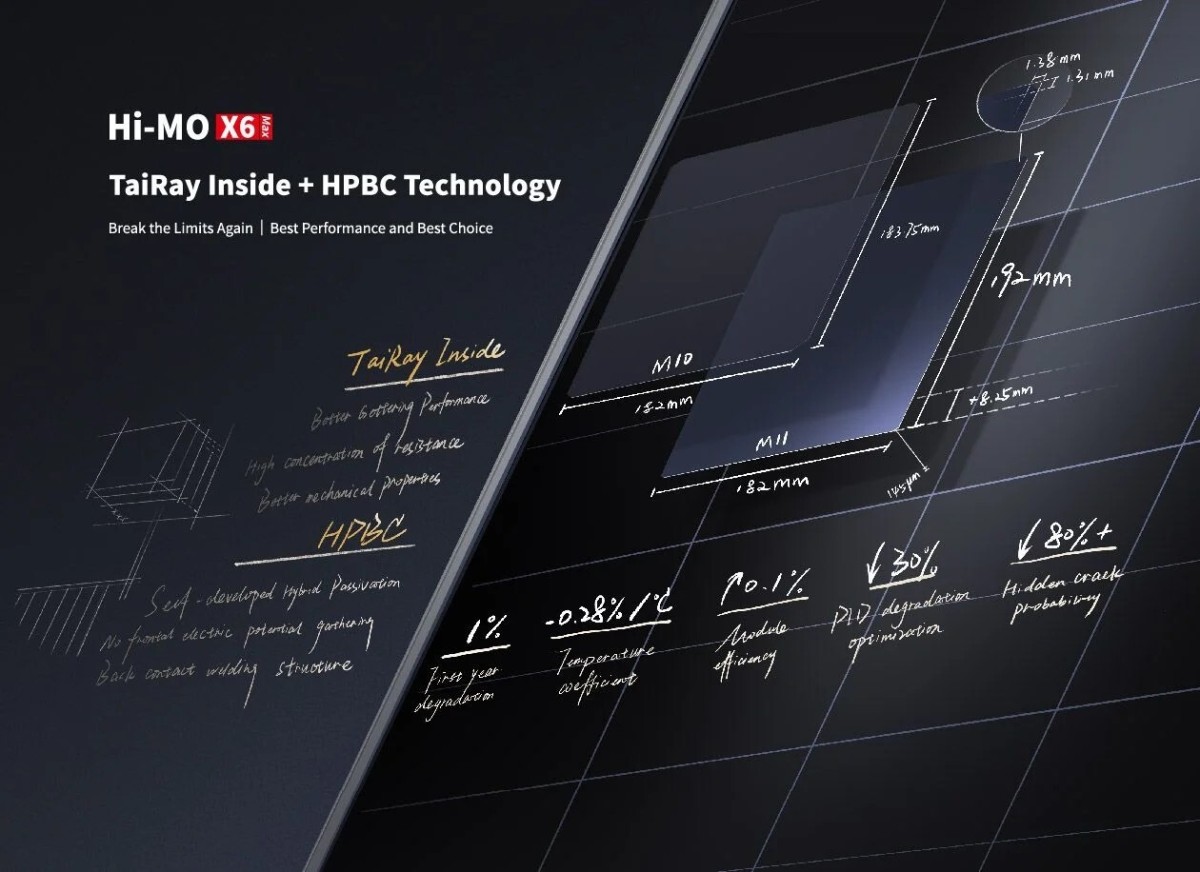
New technology: TaiRay Inside stacked HPBC high-efficiency cell technology, first decay reduced to 1%, power temperature coefficient optimized to -0.28%/°C, maximum module efficiency increased by 0.1%, PID attenuation greatly optimized, hidden crack probability reduced by 80%+;

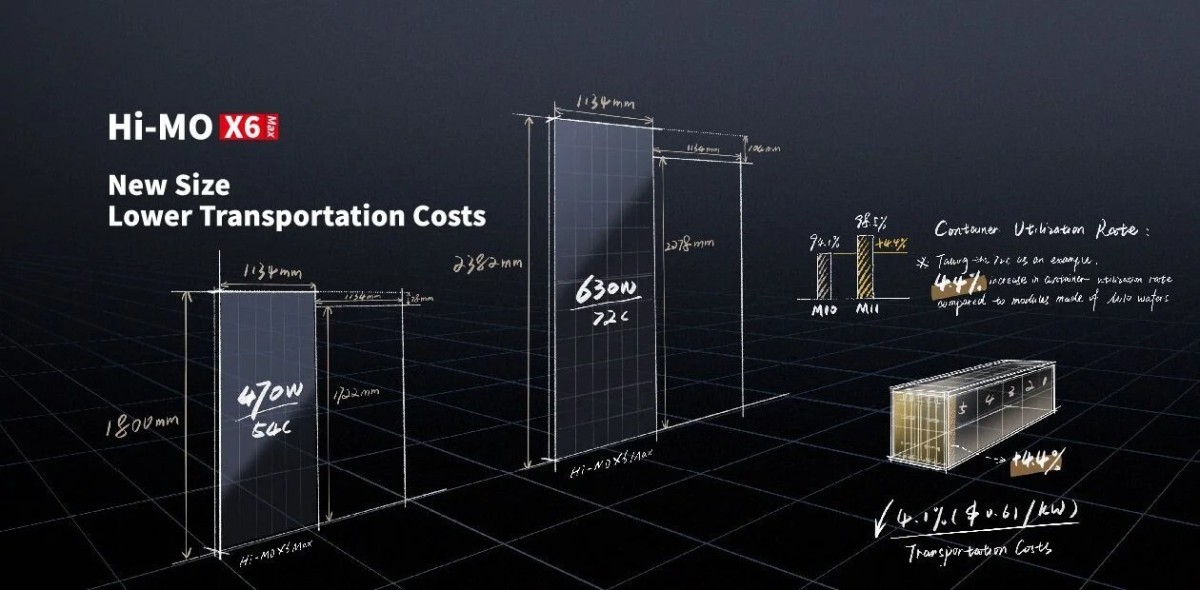
New size: According to the industry standardization agreement led by LONGi, Hi-MO X6 Max is equipped with M11 size wafers for the first time, with the 72c module size updated to 2382*1134mm and the 54c module size updated to 1800*1134mm, which reduces industry chain costs and upstream and downstream risks; after the size upgrade, customer costs such as module transportation costs and BOS costs are significantly reduced, while Compared with competing 210R wafer module products, the DC line loss is reduced and power generation is improved, and the reliability performance is also better;

New products: Hi-MO X6 Max has four major product series (Explorer/Scientist/Guardian/Artist), of which the Guardian series has launched two functional models of anti-dust accumulation design and humidity and heat resistance design, which can provide more choices for users' differentiated needs. The entire product family has three core universal value features, namely high quality/high technology/high reliability.
High quality: Hi-MO X6 Max selects raw materials and upgrades product performance with innovative technologies such as HPBC and TaiRay Inside to provide stronger power generation performance and bring users higher quality products.
High Reliability: LONGi has its own production and quality control system to ensure the robustness and reliability of the modules through strict monitoring of incoming materials, tracking of the production process, and rigorous testing with authoritative approval before the modules leave the factory.
High-tech: Technology is used to realize the aesthetic appearance of the modules, technology is used to enable the fulfillment of the pain points of specific scenarios, and technology is used to ensure the lean manufacturing of the whole process of the products.
First-year attenuation and power temperature coefficient: TaiRay Inside reduces the impurity content of silicon wafers through good impurity-absorption process, which improves the lifetime of minority carrier by more than 10%, and combines with Longi's self-developed composite passivation process, which reduces the composite current by more than 50% compared with TOPCon, and the combination of these two processes ultimately realizes the first-year attenuation of power generation of the module to be reduced from 1.5% to 1%, and the power temperature coefficient optimized to be reduced from -0.29%/℃ to -0.28%/℃. The power temperature coefficient is optimized from -0.29%/°C to -0.28%/°C, which comprehensively improves the electrical performance of the module.
Greater mechanical strength of the module: By optimizing the ratio and process of doping elements in silicon wafers, TaiRay Inside has increased the mechanical strength of silicon wafers by 16%, and superimposed with the special BC zigzag welding structure, it can effectively reduce the force transmission when subjected to edge stress. Compared with the Z-shaped welding of non-BC cells of friends, it reduces the edge stress by 48%, and the superposition of the two makes the risk of hidden cracks in the module significantly lower. Based on the data from LONGi's logistics service department and testing department, Hi-MO X6 Max modules can effectively reduce the risk of hidden cracks by more than 80% compared with conventional modules.
Higher module efficiency: Compared with conventional double-sided electrode cells, no leakage channels are formed on the upper surface, which reduces the overall PID attenuation of the module, and due to the concentration of resistivity, the maximum efficiency of the module's 72 version is increased from 23.2% to 23.3%.
Hi-MO X6 Max vs. Hi-MO X6 comparison related:
1) What is the relationship between Hi-MO X6 and Hi-MO X6 Max?
Hi-MO X6 Max is a product upgrade of the existing Hi-MO X6, which takes over the core technology of HPBC batteries and carries the new LONGi TaiRay Inside technology, leading the industry size standard and refreshing the four major product families, which can better satisfy the needs of distributed customers and continue to lead the development of distributed PV in the world.
Hi-MO X6 Max series products have been upgraded in three directions compared to Hi-MO X6: new technology, new size and new products.
New Technology: TaiRay Inside Technology, stacked with HPBC high-efficiency battery technology.
New Size: M11 size wafers are equipped for the first time, 72c module size is updated to 2382*1134mm, 54c module size is updated to 1800*1134mm.
New products: Hi-MO X6 Max Explorer, Hi-MO X6 Max Scientist, Hi-MO X6 Max Guardian, Hi-MO X6 Max Artist. Among them, the Guardian Home series has been launched with two functional models, the anti-dust accumulation design and the humidity and heat resistant design, which can provide more choices for users' differentiated needs.
2) What sizes have been switched for Hi-MO X6 Max? What is the size after switching?
The built-in wafer size has been switched, and the entire module size has also been switched and upgraded. The first M11 wafer size is (182.2mm*191.6mm), the 72c module size is updated to 2382*1134mm, and the 54c module size is updated to 1800*1134mm.
3) Why switch size?
LONGi has always taken customer value as the core, and after gaining insights and conducting in-depth research on the needs of customers in the distributed business, LONGi found that different module and cell sizes in the industry would increase the cost and risk of the upstream and downstream industry chains. In order to better serve our customers, reduce their costs and increase their revenues, LONGi, together with eight leading PV companies (JinkoSolar, JA Solar, Trina Solar, GCL, TONGWEI, Astronergy,Risen Energy, and Together with DAS Solar), reached an agreement to standardize the size of the 72-version modules (2,382*1,134mm) and the size of the M11 wafers (191.6*182.2mm) by the end of the Q3 of 2023. 191.6*182.2mm standardization unification agreement, is the result of collective decision-making and joint professional research and judgment. Finally, on May 23, 2024, LONGi released Hi-MO X6 Max, a standardized module product based on M11 wafers and 2382*1134mm size switching, and effectively promoted the synergy of production, supply and marketing, and started the switching in Q2 2024, and completed the upgrading of all the mainstream products in Q3 24 years.
4) What are the benefits brought by the switchover?
1. Higher power generation:
Taking the 72 version as an example, compared with the same module specification products of friends using 210R wafers, Hi-MO X6 Max module products using M11 wafers have lower current, which can effectively reduce current transmission cable loss by 9%, and enhance power generation gain by 0.1%.
2. Lower cost
Lower transportation cost: Taking the 72 version as an example, the container utilization rate of Hi-MO X6 Max module reaches 98.5%, which is 4.4% higher than that of M10, and can effectively reduce the transportation cost by about 0.44 cents/W.
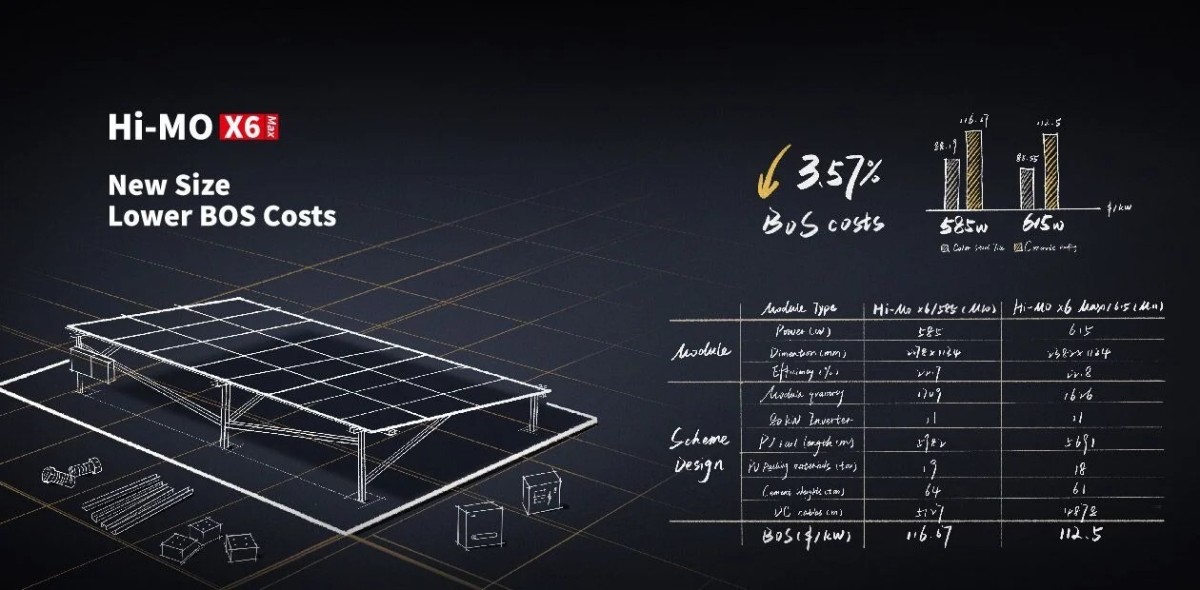
System Cost Reduction: Take the 72 version as an example, under the same roof area, the BOS cost at the installation end of the system is reduced by 3.57% (about 3 cents/W).

Leave A Message
If you are interested in our products and want to know more details, please leave a message here, we will reply you as soon as we can.